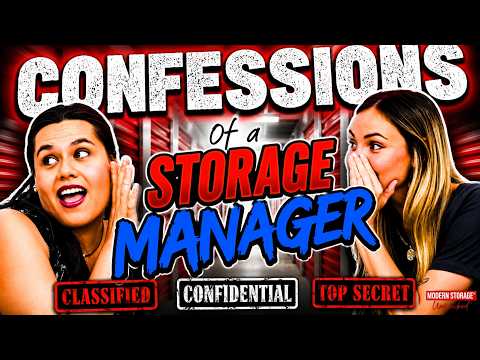
Storage unit pricing is not arbitrary, and in this episode of Modern Storage® Unpacked, Modern Storage® pull back the curtain on exactly how self storage facilities set their rates. For anyone who has ever wondered why two units of the same size at two different facilities can have dramatically different monthly costs, this conversation offers real answers grounded in how the industry actually operates.
Location is one of the biggest drivers of storage pricing. Facilities in dense urban areas or high-traffic suburban markets typically charge more than those in rural areas, simply because land costs more and demand is higher. Modern Storage® discusses how proximity to apartments, colleges, and military bases can push prices up in specific markets, and why a facility just a few miles outside of a city center might offer significantly lower rates for the same unit type.
Demand and occupancy rates also play a major role in how storage facilities price their units. When a facility is near capacity, prices tend to rise. When occupancy drops, operators often respond with discounts, move-in specials, or reduced rates to attract new tenants. Modern Storage® and Kaylee walk through how this supply and demand dynamic shapes the pricing landscape and what renters can do to take advantage of it.
Amenities and unit features are another layer of the pricing puzzle. Climate-controlled units cost more than standard drive-up units because they require more infrastructure to maintain. Similarly, facilities that offer 24-hour access, on-site security, vehicle storage, or covered loading areas typically charge a premium for those conveniences. This episode helps listeners understand which amenities are worth paying for based on what they are actually storing.
Timing is a factor many renters overlook entirely. The self storage industry sees predictable seasonal demand spikes, particularly during summer months and around the first and last days of each month when people are moving. Renting during off-peak periods or at the end of a month can sometimes result in better rates or more flexible terms. Modern Storage® shares practical timing tips that listeners can use to their advantage.
By the end of the episode, listeners have a much clearer framework for evaluating storage pricing and understanding what they are actually paying for. Whether you are comparing facilities for the first time or trying to decide if your current unit is still the right fit, the insights shared in this episode give you the tools to make a confident, well-informed decision.